
Luxury Home Renovation Cost Denver: 2026 Investment Guide
Get a precise 2026 guide to luxury home renovation cost Denver. Our analysis covers high-altitude factors & codes, unlike generic estimators. Plan your budget.
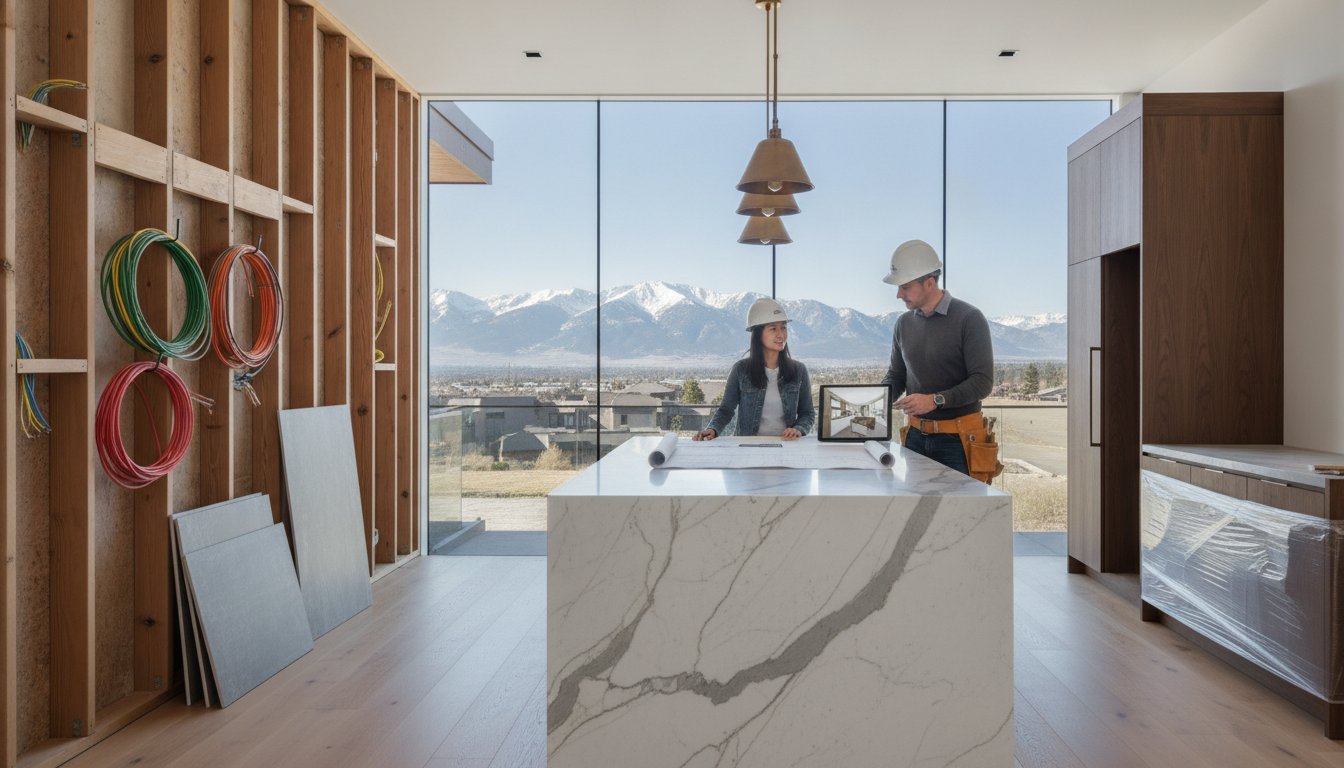
National cost estimators consistently fail to account for the technical complexity of Denver's high-altitude environment and evolving 2026 building codes. Relying on generic data often leads to significant budget overruns when homeowners realize the luxury home renovation cost Denver requires is driven by structural permanence rather than mere surface aesthetics. You've likely encountered contractors who underbid only to cut corners on the engineering details that matter most.
It's understandable to feel skeptical of broad price ranges that don't reflect the reality of local labor surcharges or the meticulous stone and tile work required for high-end residential estates. This guide eliminates that ambiguity by providing a precise financial roadmap for 2026 transformations. We'll detail the investment tiers for premium bathrooms and custom kitchens, address the technical surprises common in historic Denver neighborhoods, and establish a standard for selecting a partner who values technical integrity above all else.
Key Takeaways
- Identify the specific economic factors, including local labor surcharges and high-altitude logistics, that command a significant premium over national renovation data.
- Analyze 2026 luxury home renovation cost Denver tiers to differentiate between simple cosmetic updates and the high-performance engineering required for true estate transformations.
- Assess the technical rigor necessary for structural extensions and basement finishing, ensuring long-term stability through moisture mitigation and precise foundation support.
- Recognize the non-negotiable role of technical infrastructure, such as plumbing and electrical upgrades, in securing the performance foundation of a luxury residence.
- Implement a strategic vetting framework for selecting general contractors who demonstrate a commitment to master-craft finishes and comprehensive in-house technical expertise.
Why National Estimators Underestimate Luxury Renovation Costs in Denver
National estimators often rely on homogenized data that fails to capture the specific economic pressures of the Mountain West. In Denver, the process of improving a high-end residence involves specialized logistical and regulatory hurdles that standard calculators ignore. Real-world data from 2026 indicates that the luxury home renovation cost Denver homeowners should expect typically commands a 25% to 35% premium over national averages. This discrepancy stems from a confluence of aggressive local building codes, specialized labor requirements, and the geographic isolation of the Front Range.
Skilled labor scarcity has reached a critical point in 2026. Massive commercial developments in the tech and aerospace sectors compete directly for the same pool of master electricians, plumbers, and stone masons required for residential excellence. Research shows that approximately 65% of a typical Denver renovation budget is now allocated to skilled labor. Additionally, transporting premium materials like imported stone or bespoke cabinetry into the high-altitude environment of Colorado incurs significant surcharges. These logistical realities make flat-rate national estimates functionally obsolete for high-stakes projects.
The adoption of the 2024 International Building Code family in June 2025 has fundamentally shifted the baseline for any major project. These updates, combined with city-specific amendments, mandate rigorous energy efficiency and electrification-readiness standards. Compliance is a technical requirement that adds layers of engineering to every structural transformation. It's no longer just about the finish; it's about the performance of the building envelope itself.
The 2026 Economic Landscape for Denver Homeowners
Material inflation has stabilized for standard goods, but premium finishes remain subject to supply chain volatility. Achieving a high standard of precision requires securing high-performance materials months in advance to avoid delays. Meeting Denver's green building standards also demands sophisticated HVAC and insulation systems that elevate initial costs while ensuring long-term structural integrity. Underbidding is the primary risk factor in 2026. An unqualified contractor might overlook these technical mandates, leading to expensive failures during the inspection phase.
Regional Variations: Denver Metro vs. Mountain Communities
Location dictates complexity. Neighborhoods like Cherry Creek, Hilltop, and Washington Park present unique challenges, from tight lot lines to the intricate requirements of historic preservation. In these enclaves, the technical rigor of the build must respect the architectural legacy of the estate. Projects in nearby mountain communities face even steeper logistical surcharges. High-altitude building requires specific derating for gas appliances and footings that must reach a minimum of 30 inches below grade to survive the regional frost depth.
Premium Kitchen and Bathroom Renovation: Investment Tiers for 2026
In 2026, the definition of luxury in Denver has moved beyond the visual. It's about the mechanical and structural excellence that supports high-end finishes. While national remodeling market analysis provides a baseline, local projects demand a deeper commitment. The luxury home renovation cost Denver homeowners face is heavily influenced by the precision required for stone and tile installation. Skilled labor for these tasks represents a significant portion of the budget, as technical mastery ensures longevity in Colorado's dry climate. Projects are no longer categorized by material cost alone. They're defined by the complexity of the underlying systems and the technical rigor of the build.
The Master Suite: Engineering a Private Sanctuary
Modern primary suites are defined by spa-like conversions. This includes curbless walk-in showers and intricate stone layouts that require advanced engineering. A luxury bathroom remodel is no longer just a surface update. It involves precision waterproofing and technical drainage systems designed to prevent moisture failure. Key drivers for these sanctuaries include:
- Precision waterproofing and technical drainage for custom shower systems.
- Selection of exotic stone and large-format tile layouts.
- Integration of high-performance plumbing fixtures and heated flooring.
- Structural modifications to accommodate freestanding tubs and double vanities.
When selecting exotic stone or large-format tile, the installation cost often matches or exceeds the material price. This reflects the technical rigor required for a seamless finish that won't fail over time. A disciplined approach to the "studs-out" phase is what separates a temporary refresh from a permanent estate transformation.
Gourmet Kitchens: The Heart of the High-End Home
The 2026 gourmet kitchen integrates professional-grade appliance packages with bespoke cabinetry. These systems require upgraded plumbing and electrical infrastructure to handle higher loads and specific venting requirements. A central focus is often the custom kitchen island design, which serves as both a culinary workstation and an architectural centerpiece. These islands frequently incorporate stone waterfall edges and integrated technology, demanding a high level of craftsmanship. Understanding the technical requirements behind the luxury home renovation cost Denver demands is essential for a successful project. Investing in these technical details ensures the kitchen remains a high-ROI asset that performs as well as it looks. If you're planning a complex transformation, reviewing our portfolio of custom kitchens and stone installations can provide a benchmark for the level of quality required.
Structural Extensions and Full Basement Finishing: Expanding the Estate
Expanding a residential footprint in the Denver metro area requires a sophisticated understanding of geotechnical engineering and regional building codes. The luxury home renovation cost Denver estates demand for structural extensions is dictated by the complexity of integrating new foundations with existing frames. Footings must reach a minimum of 30 inches below grade to surpass the regional frost line, a non-negotiable standard for structural permanence. Coordinating foundation work with roofing and exterior masonry ensures a seamless architectural transition that preserves the estate's long-term market value.
Selecting a qualified home remodeling contractor is the most critical decision in this phase. Structural integrity depends on the precise execution of load-bearing modifications and moisture management. Without rigorous technical oversight, extensions risk settlement issues or envelope failures that compromise the entire residence. Precision in the early stages of a build prevents the technical surprises often found in older Denver estates.
Home Extensions: The Engineering of Added Value
Multi-story additions often provide a higher return on investment than footprint expansions. This is due to the reduced cost of foundation work relative to the gained square footage. However, Denver's strict zoning laws and permitting processes for neighborhoods like Hilltop or Washington Park require meticulous planning. Navigating these regulations involves detailed architectural continuity, ensuring that new stone, tile, and roofing materials match the original structure's high-performance standards. Engineering for UV exposure at 5,280 feet is essential for the longevity of the exterior integration.
Luxury Basement Finishing: Beyond the Basics
Transforming subterranean space into high-value living areas is a hallmark of Denver luxury projects. In this market, homeowners can expect to recoup between 70% and 86% of their investment, which is significantly above the national average. This high ROI is predicated on technical excellence in moisture mitigation and radon management, as Denver is situated in EPA Radon Zone 1. A luxury finish involves more than aesthetics; it requires:
- Technical egress window installation to meet safety codes, typically costing between $3,500 and $8,000 per unit.
- Custom wine cellars with dedicated climate control and stone installation.
- In-house plumbing and electrical support for high-end guest quarters.
- Specialized lighting and acoustic engineering for entertainment suites.
Precision in basement finishing prevents common pitfalls like expansive clay soil shifts or moisture intrusion. By prioritizing technical rigor, subterranean levels become as reliable and refined as the primary floors above.
Beyond Aesthetics: How Technical Systems Impact the Luxury Budget
While aesthetic selections like exotic stone often dominate the planning phase, the luxury home renovation cost Denver homeowners must prepare for is heavily influenced by the residence's mechanical performance. A high-end finish is only as durable as the infrastructure supporting it. For this reason, upgrading plumbing and electrical for a home remodel is a non-negotiable step in the Brekhus standard of precision. Neglecting the unseen areas of a build often leads to catastrophic financial loss when outdated systems fail to support modern, high-performance fixtures. True luxury is found in the reliability of the home's core systems.
Mechanical Excellence: Plumbing and Electrical Standards
Re-engineering infrastructure is required to support the high-flow requirements of professional-grade shower systems and integrated smart home technology. By 2026, electrical capacity must also account for high-output appliance packages and dedicated EV charging stations. Technical mastery in these areas prevents future disruptions and ensures that the home's primary systems operate with unwavering reliability under increased demand. This disciplined focus on engineering avoids the technical surprises that frequently plague older Denver estates during the renovation process.
The Envelope: Windows, Doors, and Roofing
Investing in the building envelope is a critical component of the luxury home renovation cost Denver homeowners must calculate. At an elevation of 5,280 feet, the intensity of UV radiation degrades standard materials at an accelerated rate. Engineering for these conditions requires:
- High-performance window installation: Utilizing advanced glazing to provide superior thermal resistance and acoustic insulation.
- Custom architectural doors: Selecting bespoke entries that offer both high-security standards and significant architectural impact.
- Precision roofing systems: Implementing durable materials designed to withstand intense hail cycles and heavy snow loads.
These components form a protective barrier that preserves the integrity of the interior's high-end remodeling finishes. Achieving structural permanence requires a disciplined focus on these technical foundations. Whether it is the precision application of high-performance paint or the meticulous assembly of stone and tile, the quality of the finish is inextricably linked to the quality of the build. For those seeking to secure their investment through technical excellence, our team provides the in-house technical support necessary for high-stakes transformations.
Selecting a Denver General Contractor for High-Stakes Projects
Selecting a partner for an estate transformation requires moving beyond surface-level reviews. The luxury home renovation cost Denver homeowners navigate is too significant to trust to generalists who lack technical depth. A contractor's portfolio must be evaluated for structural rigor and the complexity of its engineering rather than just aesthetic appeal. True architectural value is preserved when the build is handled by a firm that treats every project as a high-stakes technical assembly. This disciplined approach ensures that the investment made in high-performance materials is matched by a corresponding standard of installation.
In-house expertise is the primary differentiator for elite firms. When a contractor maintains dedicated teams for plumbing, electrical, and stone installation, the risk of communication failure between subcontractors is eliminated. This internal control allows for the "Brekhus Standard" of precision to be applied consistently from the initial demolition to the final tile placement. It provides a level of accountability that external-hire models cannot replicate. Transparency in budgeting is equally essential. Moving from vague estimates to fixed-fee architectural agreements protects the luxury home renovation cost Denver clients expect to maintain, preventing the mid-project financial surprises common with underqualified bidders.
The Vetting Process: Questions for Luxury Contractors
A rigorous vetting process identifies partners who prioritize structural permanence. Homeowners should move past generic references and inquire about specific technical capabilities. Critical questions include:
- Can you provide documentation of your specific experience with custom shower waterproofing systems and large-format stone layouts?
- Which technical certifications or specialized manufacturer training do your in-house installers hold?
- How does your team navigate the specific permitting and inspection requirements for historic Denver neighborhoods or high-altitude builds?
- What is your process for managing the integration of high-flow plumbing and smart home electrical infrastructure?
Defining Project Success: Beyond the Final Walk-Through
Project success is measured by the longevity of the build. Professional project management is a non-negotiable requirement for complex full remodels, ensuring that every phase of the construction adheres to the original engineering specifications. This level of oversight guarantees that the home's mechanical systems perform as intended for decades. A commitment to long-term support and comprehensive warranties further secures the property's value. Precision engineering is not a luxury; it is the foundation of a reliable home. To secure the technical integrity of your next project, partner with Brekhus Remodeling for your Denver estate transformation and experience the difference of master-craft standards.
Securing Your Estate’s Future Through Technical Precision
Navigating the luxury home renovation cost Denver requires is a matter of prioritizing technical integrity over superficial aesthetics. True value in 2026 is found in the performance of the building envelope and the precision of the mechanical infrastructure. By moving beyond generic national estimates and focusing on local regulatory mandates, you ensure that your residence remains a high-performance asset for decades. A disciplined approach to the structural foundations prevents technical failures and secures the permanence of your estate.
With 20 years of high-end Denver residential experience, our team specializes in the rigorous assembly of complex, high-stakes transformations. We provide master-craft stone and tile installation alongside comprehensive in-house mechanical support for plumbing and electrical systems. This commitment to professional rigor ensures that every architectural detail is executed with unwavering accuracy. It's the standard of excellence your property deserves.
Request a Technical Consultation for Your Denver Luxury Remodel
Your vision for a refined, enduring home deserves the oversight of an expert partner who values quality above all else. We look forward to engineering the future of your residence with professional discipline and architectural excellence.
Frequently Asked Questions
What is the average cost per square foot for a luxury remodel in Denver in 2026?
Gut renovations in the Denver metro area for 2026 typically range from $400 to over $700 per square foot for a complete gut and rebuild with premium systems. Comprehensive projects that include layout modifications and full mechanical upgrades often fall between $200 and $400 per square foot. These figures reflect the technical rigor required for high-end residential transformations that prioritize structural permanence over simple cosmetic updates.
How do Denver's 2025 energy code updates affect my 2026 renovation budget?
The adoption of the 2024 International Code family in June 2025 mandates enhanced energy efficiency and electrification-readiness standards for all 2026 projects. These requirements shift baseline costs upward by necessitating superior building envelope performance and sophisticated HVAC engineering. Compliance is a non-negotiable technical mandate that ensures the long-term structural integrity and efficiency of the residence.
Why are luxury renovation costs in Denver significantly higher than national averages?
Denver's renovation costs command a 20% to 30% premium over national averages due to a tight skilled-labor market and high-altitude logistical surcharges. Approximately 65% of the luxury home renovation cost Denver homeowners encounter is allocated to skilled labor. Specialized engineering for expansive clay soils and frost depth requirements also contributes to this regional price differential.
What is the typical timeline for a high-end kitchen or bathroom remodel in Denver?
High-stakes kitchen or bathroom transformations typically require a timeline of three to six months from the start of demolition to final completion. This duration accounts for the meticulous installation of custom cabinetry, large-format stone, and upgraded mechanical systems. Precise project management during the "studs-out" phase is essential to maintain this schedule while adhering to master-craft standards.
Should I prioritize structural extensions or basement finishing for the best ROI?
Basement finishing often provides a superior return on investment, with Denver homeowners recouping between 70% and 86% of project costs. While structural extensions increase the estate's footprint and architectural value, they involve higher engineering complexity and foundation costs. Transforming subterranean space into high-value living areas represents an efficient use of the existing envelope for a luxury home renovation cost Denver homeowners find justifiable.
How much should I set aside for a contingency fund in a luxury Denver renovation?
A contingency fund of 10% to 20% is the professional standard for luxury renovations in Denver. This reserve addresses technical surprises common in historic estates, such as unforeseen structural issues or outdated infrastructure revealed during demolition. Maintaining this financial buffer ensures that the project's technical rigor is never compromised by unforeseen budget constraints.
Is it necessary to upgrade my home's electrical and plumbing during a cosmetic remodel?
Upgrading core infrastructure is necessary if existing systems don't support modern high-performance fixtures or 2026 appliance standards. Even in a cosmetic refresh, failing to address outdated plumbing or electrical capacity can lead to future system failures and expensive repairs. Technical mastery in these "unseen" areas is the foundation of a reliable luxury residence.
How does Denver's climate affect the selection of exterior materials like windows and roofing?
Denver's 5,280-foot elevation requires exterior materials engineered for intense UV radiation and extreme hail cycles. High-performance windows must provide superior thermal resistance, while roofing systems require architectural durability to withstand regional weather patterns. These selections are critical for maintaining the building envelope's integrity and protecting the interior's high-end finishes from the elements.