High-Performance Energy Efficient Window Replacement in Denver: An Architectural Guide
Master energy efficient window replacement in Denver. Our architectural guide covers 2026 mandates, high-altitude installs, and ENERGY STAR 7.0 to protect yo...
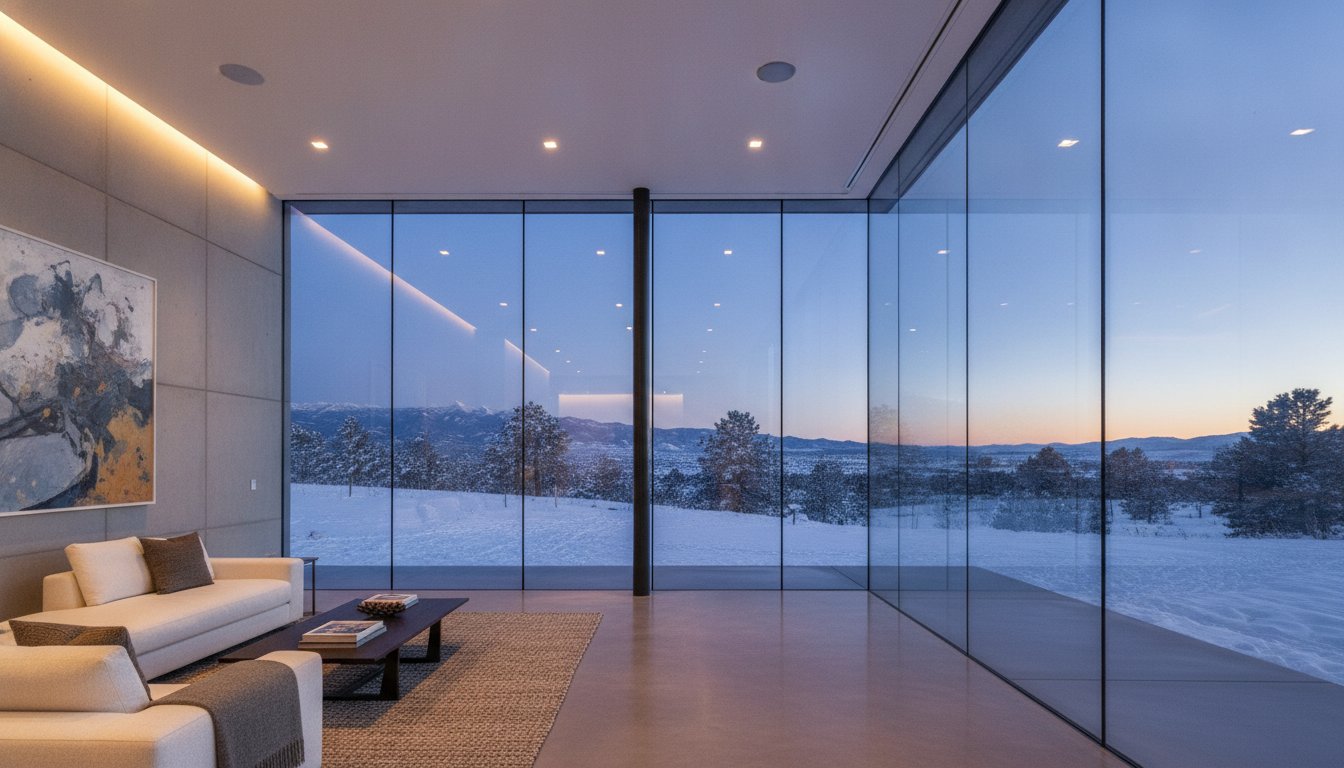
Installing a window that fails to meet Colorado’s 2026 energy mandates can result in fines of up to $2,000 per unit. For the discerning homeowner, energy efficient window replacement Denver is no longer a simple aesthetic update; it's a rigorous engineering requirement. You likely recognize the persistent chill of a Front Range winter or the silent damage of high-altitude UV rays on your interior finishes. These issues reflect a failure in the building envelope that demands more than a retail grade solution. Professional installation must account for the unique atmospheric pressures of the Mile High City to prevent structural moisture and seal failure.
This guide delivers a masterclass in the technical standards and structural precision required for high-performance installations. You'll gain a thorough understanding of the ENERGY STAR Version 7.0 requirements, including the mandatory 0.22 U-factor and the complexities of high-altitude pressure equalization. We provide a detailed analysis of how to achieve lower utility bills and enhanced curb appeal while securing the long-term structural integrity of your home. The following sections outline the essential metrics for selecting glazing and the architectural methods used to preserve the home's envelope against Colorado's extreme climate swings.
Key Takeaways
- Understand how high-altitude atmospheric pressure impacts insulated glass units and the engineering solutions that prevent seal failure.
- Identify the critical performance metrics for energy efficient window replacement Denver, focusing on the latest 2026 standards for U-factor and solar heat gain.
- Recognize why full-frame installation is superior to pocket inserts for maintaining structural integrity and preventing moisture infiltration in older brick homes.
- Analyze the correlation between high-performance architectural windows and increased property valuation for premium residential real estate.
- Prepare for a seamless renovation through a detailed architectural mapping of your home's unique thermal and aesthetic requirements.
The Physics of Denver’s Climate: Why Standard Windows Fail
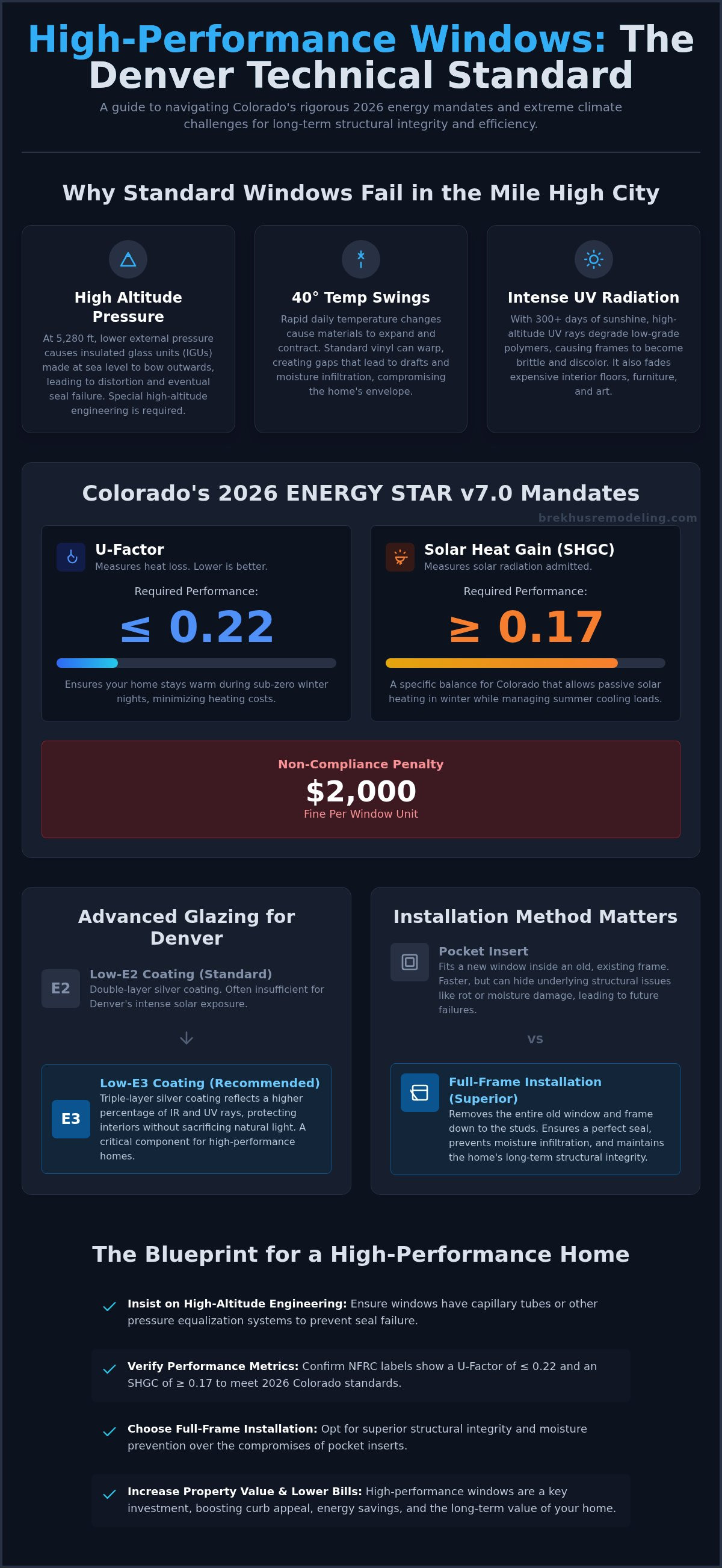
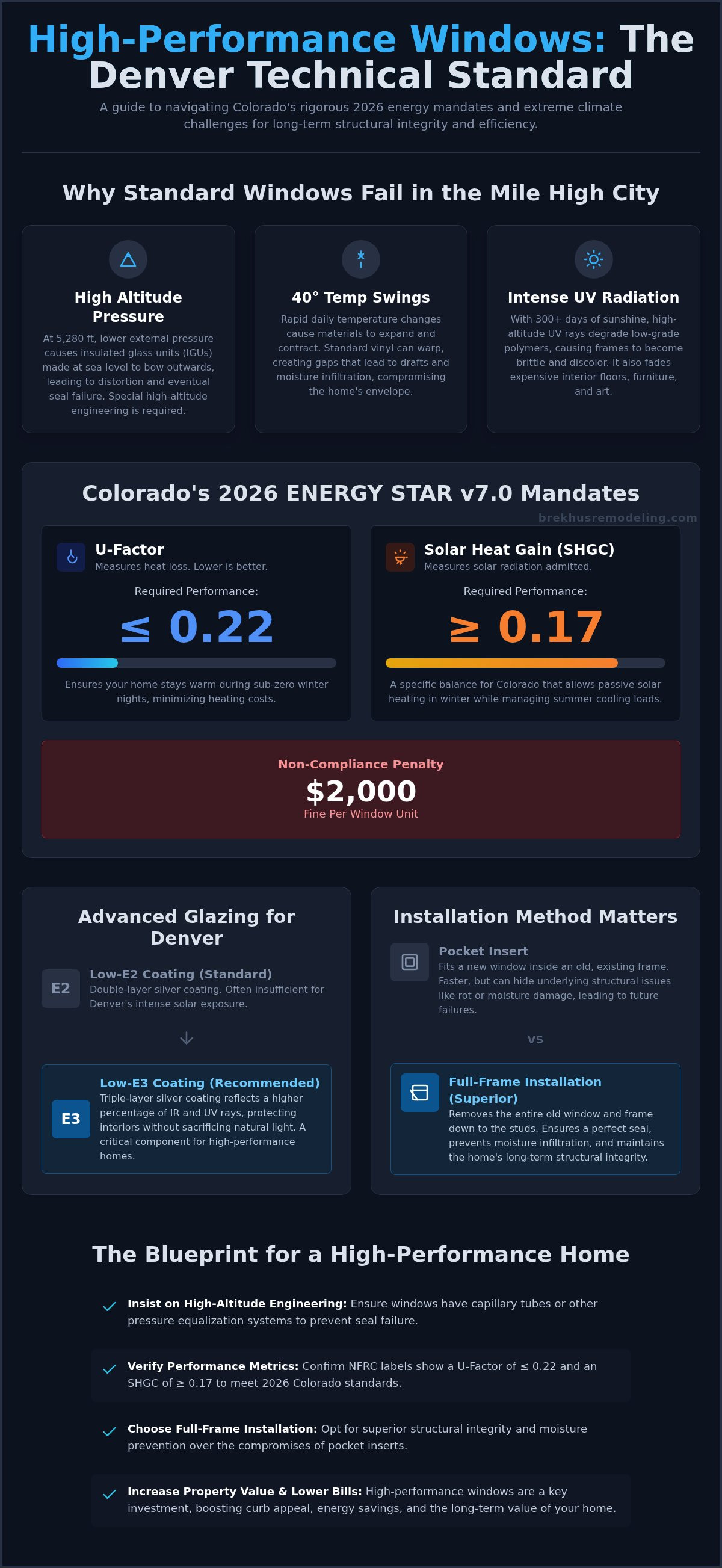
Denver's altitude creates a unique set of stressors that standard retail windows cannot withstand. At 5,280 feet, the atmospheric pressure is significantly lower than at sea level. When a window manufactured in a coastal region arrives in the Front Range, the internal pressure of the glass unit often exceeds the external pressure. This causes the glass to bow outward, leading to distorted reflections and, eventually, a total seal failure. For a successful energy efficient window replacement Denver, the units must be engineered specifically for high-altitude environments to maintain their structural integrity over decades of use.
High-Altitude Glazing and Capillary Tubes
Modern Insulated glazing technology relies on inert gases like Argon or Krypton to provide thermal resistance. However, the pressure differential in Denver often requires the use of capillary tubes to equalize internal and external air pressure. While these tubes prevent the glass from bursting, they can allow the insulating gas to escape if the installation isn't managed with precision. High-performance units must balance this equalization with advanced spacer systems that maintain the seal despite constant atmospheric shifts. Without these specific engineering adjustments, the thermal performance of a standard window will degrade almost immediately upon installation.
Front Range weather is characterized by extreme volatility. It's common to experience 40-degree temperature swings within a single afternoon. These rapid cycles cause building materials to expand and contract at different rates. Standard vinyl frames often lack the rigidity to handle this thermal stress, leading to warping and air infiltration. Denver's 300 days of annual sunshine exacerbate this problem. High-intensity UV radiation degrades low-grade polymers, causing discoloration and brittleness that compromises the home's thermal envelope and aesthetic appeal.
UV Protection and Low-E Coating Standards
Effective protection requires a sophisticated approach to glass coatings. While Low-E2 coatings are standard in many regions, Denver’s intense solar exposure often necessitates Low-E3 glass. These triple-layer silver coatings reflect a higher percentage of infrared energy and UV rays without sacrificing natural light. This technology is a critical component of luxury home exterior makeovers. Beyond thermal comfort, these coatings serve a vital role in preserving interior assets. They prevent the fading of expensive hardwood flooring and natural stone surfaces that are common in high-end Denver residences. Selecting the right glazing is the foundation of energy efficient window replacement Denver. A truly high-performance envelope treats the window as a sophisticated filter, blocking destructive energy while optimizing the home's heating and cooling efficiency.
Evaluating Performance Metrics: U-Factor, SHGC, and Air Infiltration
Selecting the right components for an energy efficient window replacement Denver requires a move beyond marketing claims into the realm of empirical data. The National Fenestration Rating Council provides the standardized NFRC performance ratings that allow homeowners to compare products with surgical precision. These labels aren't suggestions; they're the blueprint for a home’s thermal efficiency. Understanding how to decode these metrics ensures the selected units will actually perform under the rigors of the Front Range climate.
Target Metrics for the Denver Metro Area
As of January 2026, Colorado mandates that all new residential windows meet ENERGY STAR Version 7.0 standards for the Northern Climate Zone. This requires a U-Factor of 0.22 or less. This metric measures the rate of non-solar heat loss. The lower the number, the better the window preserves your interior warmth during a sub-zero Denver night. Conversely, the Solar Heat Gain Coefficient (SHGC) measures how much solar radiation enters the home. For Colorado’s high-altitude sun, a rating of 0.17 or greater is the current benchmark. This specific balance allows for passive solar heating in the winter while managing cooling loads during the summer. Visible Transmittance (VT) must also be considered to ensure that these high-performance coatings don't overly dim the natural Colorado light that defines luxury living spaces.
Air infiltration is often the silent killer of energy efficiency. Even the most advanced glass package fails if the window assembly allows air to leak through the frame or sash. High-performance units target an air infiltration rating of 0.30 cfm/sq ft or lower. Achieving these numbers consistently requires a focus on the structural integrity of the frame itself.
Frame Material Performance: Vinyl vs. Fiberglass vs. Clad-Wood
The choice of frame material dictates how a window responds to Denver’s extreme temperature deltas. Fiberglass is the gold standard for high-end renovations because its thermal expansion coefficient is nearly identical to glass. This means the frame and glass expand and contract at the same rate. This preserves the seal's integrity during 40-degree afternoon temperature swings. Vinyl, while common in budget builds, has a much higher expansion rate. This often leads to seal failure and frame warping over time. For those seeking a specific aesthetic, premium wood-clad exteriors offer the unmatched insulating properties of wood with a rugged, weather-resistant outer shell. These materials provide the structural rigidity necessary for the oversized, mountain-view windows that define modern Colorado architecture. As you plan your renovation, selecting the right Windows and Doors becomes a matter of matching material science to your home's specific orientation and elevation.
The Brekhus Standard: Precision Engineering vs. Volume Installation
Volume-driven window companies prioritize installation velocity over structural permanence. This commodity approach often relies on pocket inserts, where a new window is simply slipped into the existing frame. For a truly energy efficient window replacement Denver, this method is fundamentally insufficient. Pocket installations fail to address the underlying condition of the rough opening, leaving potential rot and air leakage points hidden behind new trim. Our methodology treats every window as a critical structural component, requiring a comprehensive assessment of the building envelope before a single unit is set in place.
The technical rigor of a master remodeler differs significantly from that of a standard salesperson. We evaluate the interface between the window frame and the home's exterior cladding with a focus on moisture management. In Denver's historic brick residences, improper flashing can lead to trapped moisture and masonry deterioration. While Forbes on window replacement costs provides a baseline for national averages, the specific demands of the Front Range require a deeper investment in structural preparation. Our process ensures that the transition from glass to wall is seamless, preserving the high-end remodeling finishes that define a luxury interior.
The Studs-Out Philosophy
Our "studs-out" approach involves a total inspection of the rough opening. We identify and remediate any structural settling or moisture damage that occurred over the life of the previous windows. This is particularly vital when installing large architectural glass walls that require precise load distribution. We utilize specialized high-density insulation and advanced flashing membranes to create a continuous thermal bridge. This level of detail eliminates the drafty rooms and cold spots common in Front Range winters, ensuring the new units perform at their laboratory-rated efficiency levels.
Managing Complexity in Full Remodels
Window replacement is rarely an isolated event in a high-stakes renovation. We specialize in coordinating these installations within the broader scope of home extension projects. This often involves structural modifications, such as resizing openings to accommodate modern floor-to-ceiling views or creating custom architectural shapes. Whether we are updating a historic Park Hill estate or a contemporary Cherry Creek residence, the goal remains the same: absolute structural integrity. We manage the delicate balance between preserving the home's architectural soul and introducing the highest standards of modern fenestration technology.
Financial Analysis: ROI and Energy Savings in Colorado
Denver real estate values consistently reflect the technical quality of a home's building envelope. Investing in high-performance fenestration yields an average return of 70% to 80% at the time of sale, making it one of the most effective capital improvements for high-end residential properties. This financial logic is a primary driver for energy efficient window replacement Denver among homeowners who prioritize asset preservation. Beyond equity, a stabilized envelope significantly reduces the mechanical load on HVAC systems. By preventing thermal transfer, these windows stop furnaces and air conditioners from cycling excessively during the Front Range's notorious temperature spikes, which directly extends the lifespan of expensive mechanical equipment.
The Energy Efficient Home Improvement Credit, governed by Section 25C, provides a substantial direct incentive for these upgrades. Homeowners can claim 30% of the project cost, with a maximum annual credit of $600 for windows that meet the ENERGY STAR "Most Efficient" criteria. This is a more rigorous standard than basic certification and requires a disciplined selection of glass packages. To maximize these benefits, it's essential to partner with a specialist who understands the intersection of building code and federal tax law. For those planning a broader renovation, integrating these upgrades into Windows and Doors replacement ensures that every component of the exterior works in financial and thermal harmony.
Maximizing Local Incentives and Rebates
Xcel Energy offers specific residential rebates for high-efficiency window installations that meet or exceed current U-factor requirements. To secure these funds, homeowners must provide detailed documentation, including NFRC labels and proof of purchase, to verify energy compliance. In the Denver metro area, additional green building incentives may be available for major renovations that significantly lower a property's carbon footprint. We assist clients in compiling the necessary technical data to ensure no available incentive is overlooked during the project closeout phase.
Long-Term Value vs. Initial Investment
The "cost of waiting" is a critical factor in the financial math of home remodeling. As energy prices continue to rise and Colorado's 2026 energy mandates take full effect, the price of non-compliance and thermal inefficiency grows annually. Choosing premium materials also eliminates the recurring costs associated with exterior maintenance. While budget vinyl units often show signs of structural failure within 15 years, premium fiberglass windows are engineered to maintain their integrity for 40 years or more in high-altitude environments. This longevity, combined with the elimination of painting and seal repairs, ensures that the total cost of ownership remains significantly lower than that of mass-market alternatives.
Executing Your Vision: The Path to a High-Performance Home
The transition from technical planning to physical execution requires a structured architectural consultation. This initial phase involves a precise mapping of the home’s thermal vulnerabilities and aesthetic requirements. We evaluate how each opening interacts with the building’s orientation and structural load. For homeowners seeking a comprehensive energy efficient window replacement Denver, this disciplined approach ensures that every unit serves the broader performance goals of the structure. We don't simply provide a quote; we develop a technical specification tailored to the specific demands of your residence.
Our project management protocols are designed to minimize disruption during full-home replacements. We utilize a sequenced installation schedule that maintains the home's security and thermal integrity throughout the process. This rigorous coordination allows us to manage complex structural modifications while protecting interior finishes. Once the units are set, we conduct final performance testing. This includes a verification of the perimeter seals and mechanical operation to ensure the installation meets our internal benchmarks for air infiltration and thermal resistance.
Selecting Styles for Denver Architecture
Denver’s architectural landscape requires a sophisticated eye for detail. High-performance windows must respect the historical or modern character of the property. We offer profiles that match the heavy masonry of Tudor estates, the clean lines of Mid-Century Modern homes, and the intricate trim of classic bungalows. Custom hardware and bespoke finish options allow for a seamless transition between the exterior performance and interior design. Many clients choose to integrate these upgrades with custom door installations to create a unified, high-performance exterior envelope.
The Brekhus Commitment to Longevity
Our firm has maintained an unwavering commitment to structural excellence in the Denver market since 2004. We specialize in high-stakes transformations where failure is not an option. This legacy is built on a foundation of professional rigor and a refusal to compromise on technical standards. We provide comprehensive warranty coverage for both the product and the installation, reflecting our confidence in the durability of our work. For those considering a more extensive residential full remodel, the window system serves as a critical first step in stabilizing the property’s value and efficiency. We invite you to request an architectural window replacement assessment to begin the process of engineering a more resilient and efficient home.
Securing the Structural and Thermal Integrity of Your Residence
Denver's atmospheric challenges require a move beyond retail-grade solutions to a disciplined architectural standard. Success in energy efficient window replacement Denver is measured by the precision of the 0.22 U-factor seal and the structural remediation of the rough opening. These technical requirements ensure that your home remains a high-performance envelope, capable of withstanding 40-degree temperature swings and high-altitude UV intensity. A truly efficient window is a product of both material science and meticulous assembly.
Since 2004, our firm has specialized in high-end residential transformations that prioritize engineering over volume. We bring a master craftsman’s eye to every project, providing full-service support for structural adjustments, electrical needs, and luxury finishes. This comprehensive approach guarantees that your new fenestration performs as intended for decades. We invite you to Schedule Your Precision Window Assessment with Brekhus Remodeling to take the first step toward a more resilient home. Your property deserves the longevity and excellence that only professional rigor can provide.
Frequently Asked Questions
What is the best U-factor for windows in Denver's climate?
A U-factor of 0.22 or lower is the technical benchmark for the Northern Climate Zone, which includes the entire Denver metro area. This metric measures the rate of non-solar heat loss; lower values indicate superior thermal resistance during extreme Front Range winters. Selecting units that meet this specific standard ensures compliance with 2026 Colorado energy mandates and provides maximum protection against heat escape.
Do I need special windows for high-altitude homes in Colorado?
High-altitude environments require specialized insulated glass units equipped with capillary or breather tubes to equalize internal and external pressure. Without these engineering features, the pressure difference between sea-level manufacturing facilities and Denver's elevation can cause glass to bow or seals to rupture. Precision-engineered windows for Colorado also utilize advanced spacers to maintain the integrity of Argon or Krypton gas fills despite atmospheric shifts.
How much can I save on my energy bills with new windows in Denver?
While specific savings depend on your home's existing thermal envelope, high-performance units can significantly reduce annual heating and cooling expenditures. By stabilizing interior temperatures, these windows minimize the frequency of HVAC cycles during 40-degree temperature swings. This reduction in mechanical load provides secondary financial benefits by extending the operational lifespan of your home's furnace and air conditioning systems.
Is full-frame window replacement better than pocket/insert replacement?
Full-frame replacement is the superior method for ensuring long-term structural integrity and moisture management. Unlike pocket inserts, which utilize the existing, potentially degraded frame, a full-frame approach allows for a total inspection of the rough opening. This process enables the remediation of hidden rot and the installation of advanced flashing membranes, which are critical for energy efficient window replacement Denver.
Can I get a tax credit for energy-efficient window replacement in 2026?
The Energy Efficient Home Improvement Credit, under Section 25C, allows homeowners to claim 30% of the cost for qualifying upgrades through 2025 and 2026. This federal incentive is capped at $600 annually for windows that meet the ENERGY STAR "Most Efficient" criteria. Utilizing this credit requires detailed documentation of the window’s performance metrics to prove compliance with the rigorous federal standards during tax filing.
How long does it take to replace all the windows in a typical Denver home?
A comprehensive replacement for a standard residential property typically requires three to five business days for physical installation. Projects involving structural modifications, such as resizing openings for modern floor-to-ceiling views, may require additional time for framing and finishing. Our project management team sequences the work to maintain the home’s security and thermal integrity throughout the transition to high-performance units.
What is the difference between double-pane and triple-pane windows for energy efficiency?
Triple-pane windows utilize three layers of glass and two insulating gas chambers to achieve a significantly lower U-factor than double-pane alternatives. This configuration provides a more robust thermal barrier against the sub-zero temperatures common in Colorado. The additional pane also offers an extra surface for sophisticated Low-E coatings, which are essential for blocking the high-intensity UV radiation found at 5,280 feet.
Will new windows help reduce noise from Denver's busier neighborhoods?
High-performance windows significantly improve a home’s Sound Transmission Class rating by utilizing multiple panes and varied glass thicknesses. The airtight seals required for energy efficiency naturally dampen exterior noise from traffic and urban activity. For properties in denser neighborhoods, these acoustic benefits contribute to a more serene interior environment while simultaneously optimizing the home's overall energy efficient window replacement Denver strategy.